Mazda MX-5 NB common problems, and what they cost to fix
Here's the good news: the NB is mechanically tough, and most "problems" are age and neglect rather than design flaws. The bad news is that a cheap car bought carelessly can still nickel-and-dime you. This is the honest list of what actually goes wrong, what each fix costs in 2026, and which faults are bargaining chips versus which should make you walk.
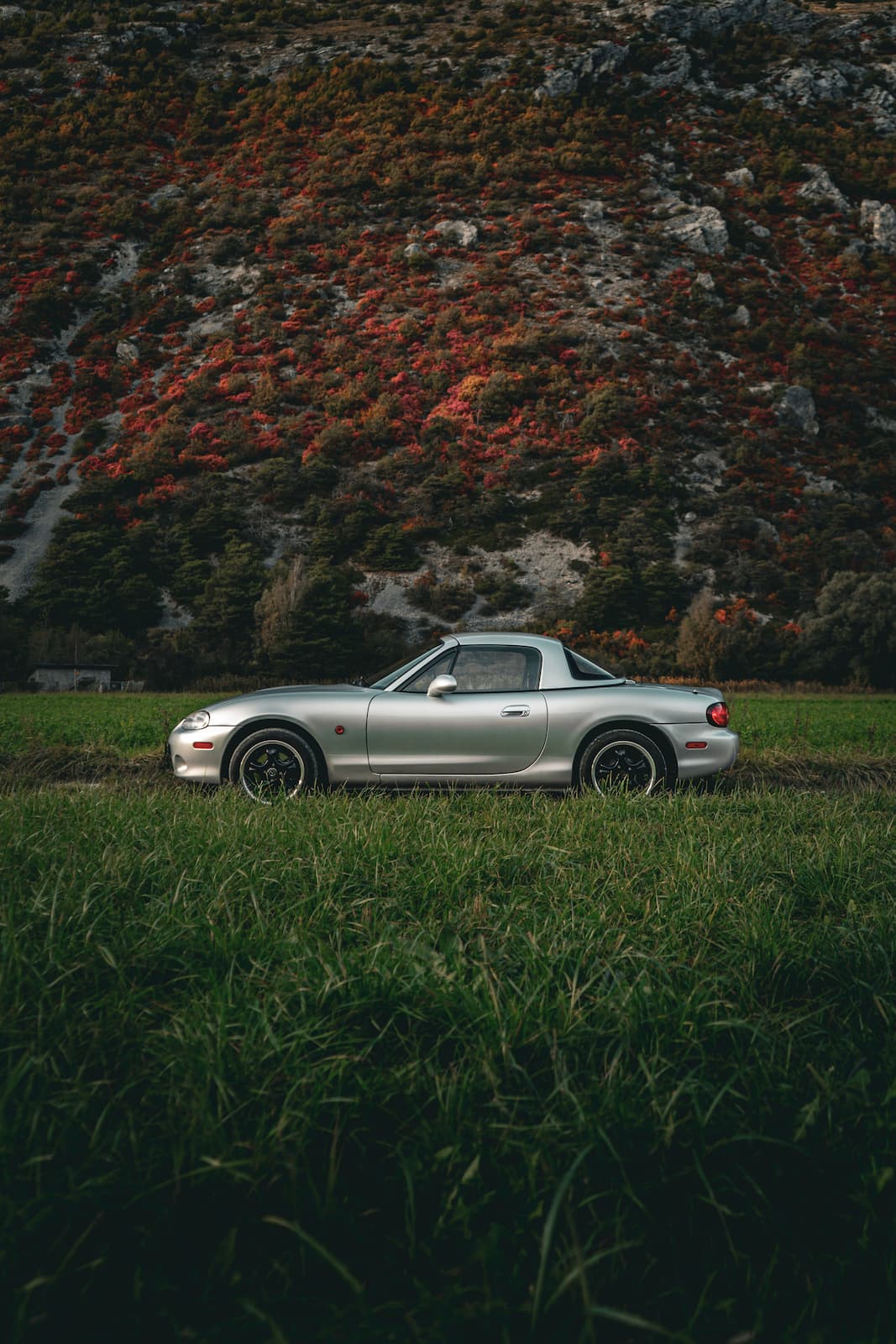
1. Rust (bodywork) — the only one that scraps cars
The mechanicals last; the shell is what kills NBs. Sills, rear arches, chassis rails and floors rot, and structural repair routinely costs more than the car is worth. This is the single fault that turns a bargain into a money pit, so treat it as a category of its own — full detail in our MX-5 NB rust spots guide.
2. Engine & cooling
- Cam/crank angle sensor (Mk2.5 1.8 VVT): a failing sensor can make the car stall or cut out, often when hot. Common and not expensive, but alarming on a test drive.
- Cooling system: the original plastic-tank radiators crack with age. Check the coolant condition and look for weeping around the radiator and hoses.
- Cambelt: belt-driven engine — you want proof of a change roughly every 60,000 miles or 5 years. No evidence means budget for one now.
- Oil leaks: minor weeps from the cam cover and crank seals are common with age; check for anything dripping rather than just damp.
3. Clutch & gearbox
The gearbox is strong; a crunch into second when cold usually means tired synchros rather than imminent failure. On the test drive, feel for a clutch biting high or slipping under load.
4. Soft top & water leaks
- Check the rear window for cracks and yellowing, and the seams for failing stitching.
- Damp carpets are a warning: it could be a leaking hood, blocked drain channels, or — worst case — rotten sills letting water in. Investigate before you assume it's just the roof.
5. Electrics & interior
Test every window, the central locking, the heater and the lights. Window regulators and switches are common niggles. A cracked dash top and worn seat bolsters are normal for age and purely cosmetic.
6. Suspension & brakes
Knocks over bumps, uneven tyre wear and a saggy ride point to worn bushes and dampers. Brakes are cheap and standard to service. None of this is scary — it's just wear to factor into the price.
What the common fixes cost (UK, 2026)
| Job | Symptom | Typical cost |
|---|---|---|
| Cambelt + water pump | No service history of a change | ~£350 |
| Cam/crank sensor | Hot stalling / cutting out (VVT 1.8) | ~£250 |
| Radiator | Cracked plastic tank, weeping | ~£250 |
| Clutch | High bite or slip | ~£550 |
| Suspension refresh | Knocks, saggy ride, worn bushes | ~£450 |
| Brakes (pads & discs) | Worn, juddering | ~£300 |
| Soft top replacement | Cracked window, leaks | ~£450–£800 |
The one dealbreaker
Everything above is a bargaining chip — a known cost you deduct from the price. Structural rust is different: it's the one fault where the repair can exceed the car's value, so it's usually a walk-away, not a negotiation.
Put numbers on the faults you find
Our MX-5 NB calculator totals these costs against the asking price and gives you a fair offer and a walk-away figure — so a tired clutch becomes £550 off, not a vague worry.
Frequently asked questions
Are Mazda MX-5 NBs reliable?
Mechanically, very. The engine and gearbox are famously durable and most faults are age-related wear that's cheap and predictable to fix. The reliability risk is the bodyshell rusting, not the drivetrain failing.
What are the most common MX-5 NB problems?
Rust (sills and arches), a failing cam/crank sensor on the VVT 1.8, ageing radiators, worn clutches and suspension bushes, and soft-top wear with damp carpets. Most are minor; rust is the serious one.
How long do MX-5 NB engines last?
With regular servicing and timely cambelt changes, these engines routinely cover 150,000 miles and beyond. Mileage matters far less than maintenance history.
Is the MX-5 NB expensive to maintain?
No — parts are cheap and plentiful, and the car is simple to work on. Budget a modest annual "risk reserve" for age-related jobs and it's one of the cheapest sports cars to keep on the road.
Before you buy
- Check it methodically: the free 40-point inspection checklist covers every fault above in order.
- Read the buyer's guide for variants and what to pay: the NB buyer's guide.
- Negotiate from the faults: the Buyer's Pack turns each problem into a costed line and a script to knock it off the price.
Take the checklist to the viewing
The exact 40 checks these costs are based on — print it and go prepared.
No spam, ever. Unsubscribe anytime.