The Mazda MX-5 NB buyer's guide: what to check, and what to pay
The second-generation MX-5 — the "NB" — is one of the smartest cheap sports cars you can buy. It's light, rear-wheel drive, mechanically tough, the cheapest car in Britain to insure, and good examples have stopped depreciating and started climbing. The catch: a lot of them are rotten, and the cost of putting that right can exceed what the car is worth. This guide tells you how to spot the good ones, what each fault really costs, and the price you should actually pay.
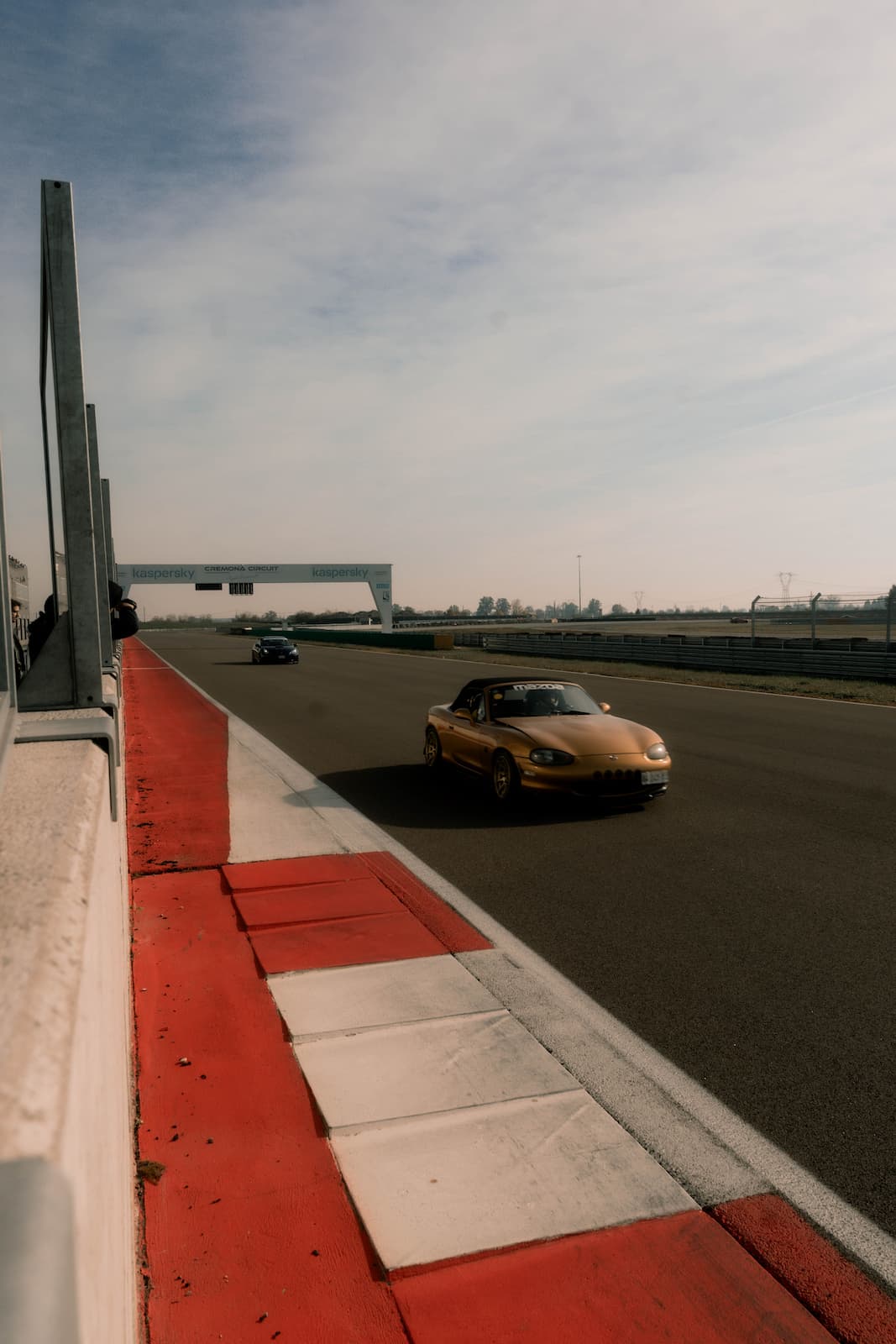
Know the variants before you look
"NB" covers two distinct phases. The early NB (1998–2000) and the facelift — the Mk2.5 (2001–2005) — which got revised lights, a stiffer shell and, on the 1.8, variable valve timing (VVT). Two engines were sold in the UK:
- 1.6 (110 bhp): lighter on its feet and cheaper to buy and tax, but noticeably slower. Best suited to relaxed back-road use rather than keeping up with traffic on a B-road blast.
- 1.8 (140–146 bhp): the one most people want. The Mk2.5 1.8 added a 6-speed gearbox on higher trims and is the sweet spot for usability and value.
Trim matters for money. The Mk2.5 1.8 Sport (6-speed, Bilstein dampers, limited-slip differential, Nardi trim) is the most sought-after standard car. Numbered limited editions — and any car with a genuine factory hardtop — carry a clear premium and tend to hold value best.
Why this is worth buying now
Clean, unmolested NBs are appreciating. The rough ones are being broken for parts because repairing the rust costs more than the car is worth — which is steadily shrinking the supply of good cars and pushing their values up. Buy a sound one and your money largely survives.
The rust reality — this is what scraps NBs
If you only learn one thing from this guide: the NB's biggest cost risk is corrosion, not the engine. The mechanicals are famously durable; the bodyshell is not. Rust is the single factor that turns a cheap weekend toy into a money pit, so it should dominate how you inspect and how you value any car.
Check these areas, in order of how much they'll cost you:
- Sills (the structural panel under each door) — they rot from the inside out. Lift the carpets, probe the jacking points, and look along the seam. This is an MOT failure and the most expensive common repair.
- Rear wheel arches — bubbling at the lip is the early warning; holes mean welding.
- Front chassis/frame rails — structural and labour-heavy to put right.
- Boot floor and behind the front arches — often hides the worst of it.
For a spot-by-spot walkthrough of every place an NB rots — with how to check each one and what the welding actually costs — see our dedicated guide to MX-5 NB rust spots.
Scrap-territory maths
A single sill done properly by a specialist is roughly £600 a side; a full structural job across sills, rails and arches with paint blending routinely passes £3,000 and can exceed £4,000. On a car worth £2,000–£3,000, that's uneconomic — which is exactly why rotten ones get scrapped. Surface fizz is negotiable; structural rust is usually a walk-away.
The mechanical checks that matter
The BP engine (both 1.6 and 1.8) is tough and will happily cover very high mileage if serviced. Most "faults" are age and neglect, not design. Here's what to verify and what it costs if it's due:
| Check | What to look for | Typical fix |
|---|---|---|
| Cambelt | It's belt-driven. Ask for proof of change (roughly every 60k miles / 5 years). | ~£350 with water pump |
| Cam/crank angle sensor | Mk2.5 1.8 VVT can stall or cut out when the sensor fails. | ~£250 |
| Cooling system | Original plastic-tank radiators crack with age; check coolant and for weeping. | ~£250 |
| Clutch | High biting point or slip under load on a test drive. | ~£550 |
| Gearbox | Crunch into 2nd when cold suggests tired synchro; otherwise strong. | varies |
| Suspension | Knocks, uneven tyre wear and saggy ride point to worn bushes/dampers. | ~£450 to refresh |
On the test drive
Cold start it yourself — a warm engine on arrival can hide a hard-starting or smoky one. Listen for a rattle on a cold VVT 1.8, feel for a clutch that bites high, and make sure it pulls cleanly without hesitation or cutting out.
Soft top, electrics and interior
- Soft top: check the rear window for cracks and yellowing, the seams for failing stitching, and the carpets for damp. Wet carpets can be a leaking hood — or blocked scuttle drains, or worse, rotten sills letting water in.
- Electrics: test every window, the central locking and the heater. Window regulators and switches are common niggles.
- Interior: seat bolster wear and a cracked dash top are normal for age; budget accordingly but they're cosmetic.
What you should pay (2026 UK)
As a rough benchmark for a 1.8 at around 90,000 miles. A 1.6 typically sits a little below these, and a genuine hardtop or a tidy Sport sits above. Use these as your anchor, then adjust for the specific car's rust and history:
| Condition | What it means | Ballpark |
|---|---|---|
| Project | Needs work to be reliable/road-legal | ~£1,500 |
| Usable | Drivable with deferred jobs | ~£2,800 |
| Clean | Well kept, only minor jobs | ~£5,000 |
| Minter | Exceptional, sorted, low owners | ~£8,000+ |
Don't guess — run the numbers
Our MX-5 NB calculator takes the exact car (price, mileage, condition, rust, history) and gives you a fair price, a walk-away figure, and the true cost of ownership including the repairs the seller hopes you'll forget about.
Modifications: which add value, which cost you
Be honest with yourself about mods. A genuine factory hardtop adds real value and desirability. Most other modifications — coilovers, induction kits, aftermarket exhausts — rarely add resale value, can put off the next buyer, and usually raise your insurance. A well-documented, lightly-modified car can be fine; a heavily-modified one should be priced as if the mods are worth little, because at resale they often are.
Your two-step buying process
- Before you view: download the free 40-point inspection checklist and take it with you. It walks you through every check above, in order, so you don't get distracted by shiny paint and miss the sills.
- Before you offer: put the car's details into the calculator to get a fair price and a walk-away number. Then negotiate from evidence, not emotion.
Buy a sound NB at the right price and you get one of the best-handling cars ever made for the money, cheap to run, that's likely worth as much or more when you sell. Buy a rusty one in a hurry and you fund someone else's mistake. The difference is an afternoon of careful checking.
Take the checklist to the viewing
The exact 40 checks these costs are based on — print it and go prepared.
No spam, ever. Unsubscribe anytime.